Biodiesel:
Biodiesel can be made from almost any plant which yields oil; typical mass production is centered on soybeans in the United States, rapeseed (canola) in Europe, and palm oil in tropical locations. However, various experiments have been conducted using sunflower oil, cottonseed oil, peanut oil, linseed oil, olive oil, and many other varieties. A significant component of modern research being conducted in developing countries revolves around the potential for biodiesel production from native tropical plants, such as Jatropha in India. Biodiesel can also be made from waste vegetable oil (used cooking oil), tallow (animal fat), and from various unicellular organisms such as algae and bacteria. The chemical composition of bio-diesel differs from source to source because each naturally‐derived oil consists of a different mixture of hydrocarbon chains with different lengths, branching and degrees of saturation.
Biodiesel is defined by ASTM Standard D6751 as the mono‐alkyl ester of plant‐ or animal‐ derived oils and fats. It has similar combustion properties to standard diesel fuel, making it suitable for use in unmodified compression‐ignition (diesel) engines. Biodiesel is usually produced by a process called transesterification, in which the naturally occurring oils (also known as triacylglycerols, with a molecular structure consisting of three hydrocarbon chains attached to a glycerol molecule) are reacted with an alcohol in the presence of a catalyst (usually a base such as potassium hydroxide) to split the fatty acid hydrocarbon chains from the glycerol, resulting in mono‐alkyl esters (biodiesel) and a glycerine molecule.
The glycerine is heavier than the biodiesel and can be mechanically separated and used for various purposes such as soap or ethylene glycol manufacturing, though it is sometimes wasted. Various processes exist to rid the remaining biodiesel of impurities, including additional glycerine. There has been a global shift towards the use of biodiesel. The production of biodiesel has increased by 300% worldwide over the last six years. It is expected that between now and 2030, the worldwide consumption of fuels for transportation will increase rapidly. About 680-million litres of fuel will be required additionally each year. The biofuels market, which will be able to cover about one-third of this additional requirement, offers great potential.
Bio-diesel is infinitely renewable and provides better lubrication in comparison with normal diesel, extending engine life by up to 200%. In fact, 5% of biodiesel added to normal diesel will increase lubricity by 65%. The main effect of this is that it acts like a solvent to clean engines. Performance has been shown to rate comparably with petroleum diesel in respect of power, efficiency, hauling and climbing, and it burns 75% cleaner than fossil fuel diesel.
As a green company, J-Bay Bio-Fuels always strives to take the environment into account and we look at ways to be environmentally friendly. In December 2021 we converted our Bio-Diesel plant from a water wash system to a Dry-Wash system. As water is a valuable resource, we felt that it would be a huge step in the right direction. Instead of using resin beads in our dry-wash system we use a combination of sawdust made up of hard woods that we source from a local furniture manufacturer. Once the sawdust has been used and replaced with new sawdust, the used sawdust is added to organic waste that is converted to compost by a local farmer. Thus even our Bio-Fuels process is completely recyclable.
Glycerol:
Biodiesel production worldwide has been on an exponential growth curve over the past several years. The principal by-product of this production is glycerol, also known as glycerine. It occurs in vegetable oils at a level of approximately 10% by weight. For each Liter of biodiesel produced, approximately 0.1 kg of crude glycerol is extracted. Such crude glycerol possesses very low value because of the impurities. The make-up of crude glycerol varies depending on the parent feedstock and the biodiesel production process. Before the crude glycerol can be considered for possible value-added utilizations, it is necessary to characterize the crude glycerol on its physical, chemical, and nutritional properties. Most industrial biodiesel processes utilize a 6-to-1 molar ratio of alcohol to oil, which is an excess of 100%, in order to drive the reaction to completion. Most of the excess alcohol (up to 80%) will end up in the glycerol layer after the reaction. With a minimum effort, producers recover this alcohol for reuse. Further refining of the crude glycerol will depend on the economy of production scale and/or the availability of a glycerol purification facility. Larger scale biodiesel producers refine their crude glycerol and move it to markets in the food, pharmaceutical, and cosmetic industries.
It is generally treated and refined through filtration, chemical additions, and fractional vacuum distillation to yield various commercial grades, such as dynamite grade, yellow distilled, and chemically pure. J-Bay Bio-Fuels uses our glycerol inhouse as a raw material in our Glychem, Liquid hand Soap and Hand Grit. We also supply a few industries with crude glycerol for use in their systems.
Glycerol is a product that is used for the treatment of Oil Spill areas. The principal of “Oil cuts Oil” has been the base of the use of the biodegradable, non-toxic solvent that is used to neutralize the effects of vegetable oil and animal fat spillages. Glychem is also used in the building industry as an anti-clumping additive so that sand can flow freely.

Glychem – Sea Breeze:
Our All Purpose Concentrated Liquid Cleaner, is a highly versatile multipurpose heavy duty household cleaner.

Hand Grit Cleaner:
The Hand Grit Cleaner is a specially formulated bio-degradable super grit. It can be utilized in almost any industry. The hand grit has a lemon fresh fragrance, is brown in color and is a paste that will clean just about anything. It penetrates and removes soil efficiently. It is a glycerine-based cleaner that nourishes the skin. It penetrates and removes oil and grease and is suitable for use in various industries.

Liquid Fertilizer:
J-Bay Bio-Fuels Anaerobic Bio-Digesters create a liquid fertilizer full of macro and micronutrients which are in the right form for rapid absorption by plants. It can replace putting manure or store-bought fertilizer on your plants as it is highly Nitrogen rich. The fertilizer can increase growth and your plants’ resilience to diseases. We support local NPO’s by donating the liquid fertilizer for use in their community vegetable gardens.

Worm Tea:
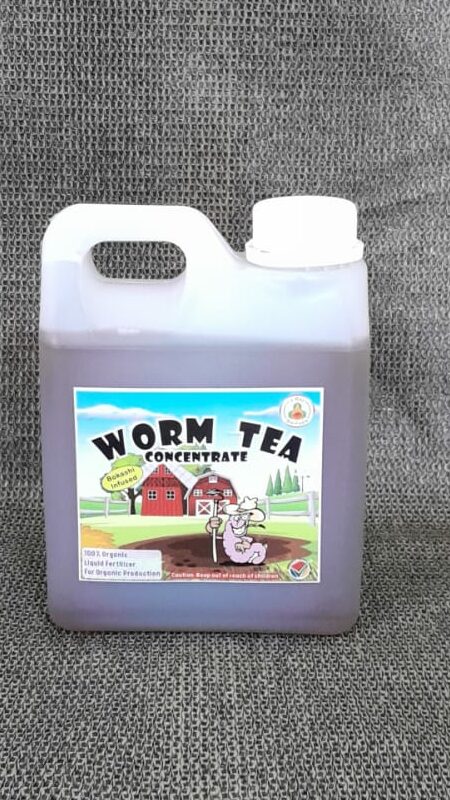
Worm Tea will enrich the soil and improve the health and growth of your garden, indoor & outdoor plants, lawn, flowers, and vegetables. It contains beneficial microbes, nutrients, and micro-organisms that help your plants grow and add life back into your soil – which means your plants will be stronger and healthier.Worm castings tea works well as an organic fertilizer (can be diluted with more chlorine-free water or sprayed in full-strength). It’s liquid form helps plant life such as your lawn to quickly absorb the nutrients contained in the brew (the tea itself is packed with a lot of nutrients).Worms can create an effective organic fertilizer for your plants. The process of vermicomposting—using worms to decompose organic matter and food scraps—allows you to make a worm compost tea that serves as a non-toxic alternative to chemical fertilizer.The living microbes in worm tea feed the protozoa and good nematodes so they in turn feed on the bacteria and fungi that attack your plants, creating a natural insecticide and fungicide. Simply use 4 oz of worm tea to a gallon of DECHLORINATED water and spray your garden.Worm Tea diluted at 10:1 with DECHLORINATED water will promote beautiful blooms. As an added benefit, Worm Tea builds up the immune system of roses and eliminates black spot, black mildew, white flies, spider mites and aphids.As a general rule it is best to always produce worm leachate when your worm farm is containing loads of worm castings and minimal to no amounts of worm food. The worm leachate produced in this way will be safe for plants to use and can be used pure or diluted with water. Last but not least, you can also fertilize your cannabis plants by using worm castings to make a nutrient-rich “tea.”